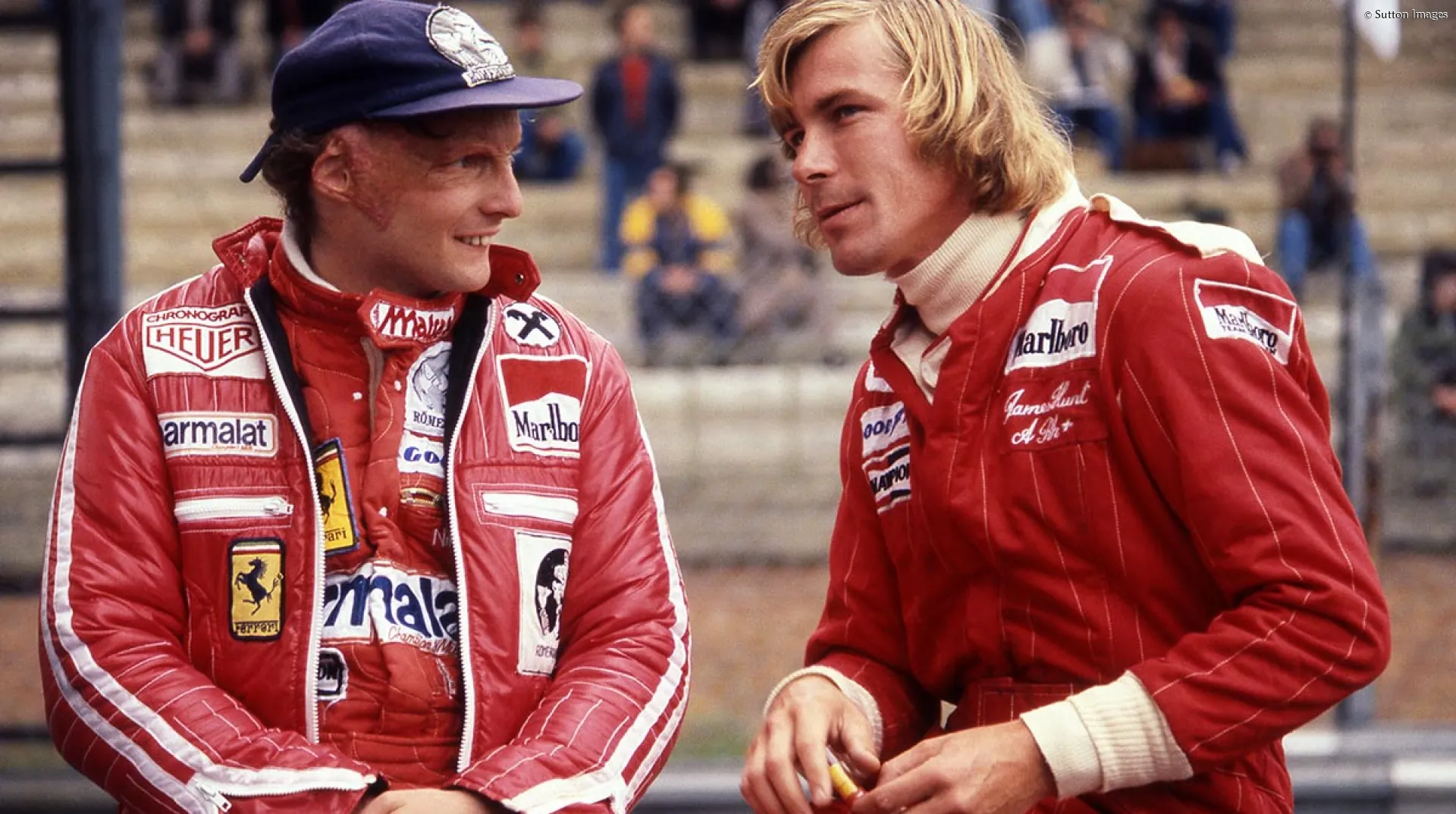

The 1976 Formula One season is often remembered as one of the most dramatic and pivotal years in motorsport history. The Japanese Grand Prix, held at the Fuji Speedway on 24th October, is the race that encapsulates this narrative perfectly. It was a race shrouded in tension, controversy, and heroism: a true testament to the spirit of competition.
A Season of Triumph and Tragedy
The 1976 season was marked by fierce rivalry between two of the sport’s most iconic figures: James Hunt and Niki Lauda. Hunt, the brash British driver for McLaren, and Lauda, the meticulous Austrian driver for Ferrari, battled for the Drivers’ Championship in a way that captivated audiences worldwide. Lauda’s near-fatal crash at the Nürburgring in August, followed by his miraculous return just six weeks later, added a layer of drama that few could have anticipated.
As the season progressed, Lauda showcased his incredible skill and determination, even as he dealt with the physical and psychological scars of his accident. Hunt, on the other hand, embraced a more reckless style, winning races with charisma and flair. By the time the Japanese Grand Prix arrived, the championship was on a knife’s edge, with Lauda leading Hunt by just three points.
The Day of the Race
The race at Fuji was set against a backdrop of rain and uncertainty. The weather conditions were treacherous, with heavy rain leading to poor visibility and slippery track conditions. As the race began, Lauda made a controversial decision: he chose to withdraw from the race after just two laps, citing the dangerous conditions. Lauda, who had previously shown incredible bravery in the face of danger, felt that the risks were too high, especially given his recent history.
Hunt, in contrast, decided to continue racing. He started from the third position and quickly adapted to the conditions, pushing his McLaren to the limits. The race was a chaotic affair, with multiple cars spinning out and the track becoming increasingly difficult to navigate. However, Hunt’s determination shone through as he battled through the field, determined to secure enough points to challenge Lauda for the Drivers’ Championship.
A Final Showdown
As the laps wore on, Hunt’s tenacity paid off. He eventually moved into the lead, and as he crossed the finish line, the realization that he had secured the Drivers’ Championship began to sink in. Hunt’s victory at Fuji, combined with Lauda’s withdrawal, meant that he had clinched the title by a mere point, becoming the 1976 World Champion.
The post-race atmosphere was electric, filled with a mix of celebration and disbelief. Lauda’s decision to withdraw sparked debates among fans and pundits alike, with many questioning whether he had made the right call. In a sport defined by risk, Lauda’s choice underscored the stark reality of racing: that safety must always come first.
Legacy of the 1976 Japanese Grand Prix
The 1976 Japanese Grand Prix remains etched in the annals of motorsport history for its incredible narrative — a race that was not just about speed, but about courage, strategy, and the human spirit. It highlighted the stark contrasts between two driving philosophies: Lauda’s calculated caution versus Hunt’s reckless abandon.
The season was immortalized in the 2013 film “Rush,” which dramatized the rivalry between the two drivers and their respective journeys. The film brought new generations to the story, showcasing the thrill and peril of Formula One racing.
As we reflect on the 1976 Japanese Grand Prix, it serves as a reminder of the passion and dedication that defines motorsport. It was a race that tested limits, pushed boundaries, and ultimately, changed the course of Formula One history forever.
Written by Carmen.
Featured Image Credit: soymotor.com
About The Author


Leave a Reply