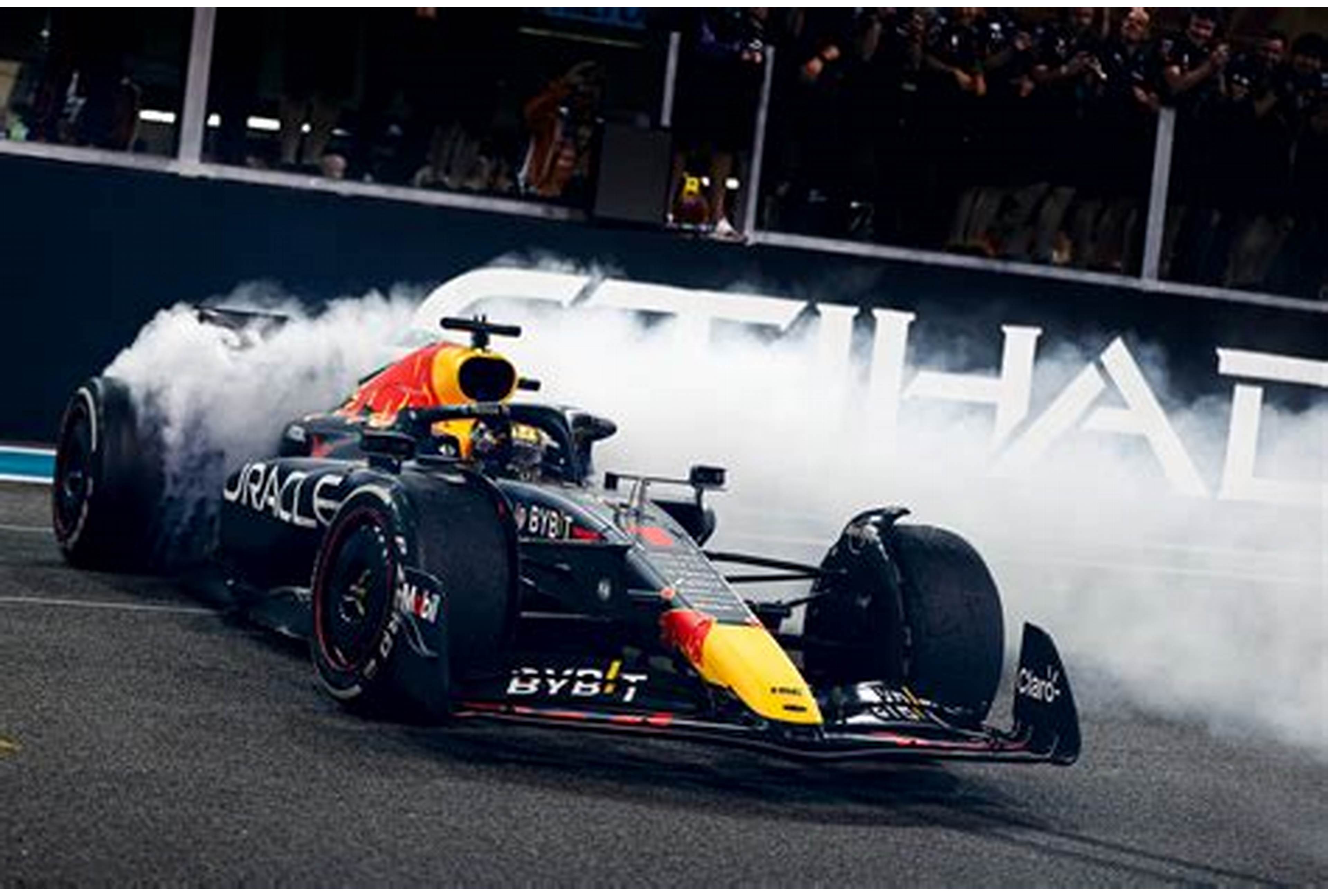

Red Bull Racing has become one of the most dominant teams in Formula One history, known for its innovative designs, competitive spirit, and legendary drivers. The team’s rise from humble beginnings to a powerhouse of the sport is a story of ambition and excellence.
Formation and Early Years (2005–2008)
Red Bull Racing was born out of Jaguar Racing, a struggling Formula One team owned by Ford. In late 2004, energy drink giant Red Bull, under the leadership of Dietrich Mateschitz, purchased the team. Helmut Marko, a close advisor to Mateschitz, played a crucial role in shaping the project. Red Bull Racing entered the grid in 2005 with Christian Horner as Team Principal, a position he holds to this day.
In its debut season, Red Bull used Cosworth engines and showed promise, finishing seventh in the Constructors’ Championship. David Coulthard, a seasoned driver, brought experience to the team alongside young talents Christian Klien and Vitantonio Liuzzi. In 2006, the team switched to Ferrari engines and secured their first podium in Monaco, with Coulthard finishing third.
The Arrival of Adrian Newey and a New Era (2007–2009)
One of the turning points in Red Bull Racing’s history was hiring Adrian Newey, a legendary designer with previous success at Williams and McLaren. Newey’s innovative approach to car design transformed the team’s competitiveness.
In 2007, the team switched to Renault engines, setting the foundation for future success. Red Bull’s sister team, Toro Rosso, also began to shine, with Sebastian Vettel securing Toro Rosso’s first victory at the 2008 Italian Grand Prix, signaling his potential as a future star for Red Bull Racing.
By 2009, Red Bull was ready to contend for championships. With Vettel joining Mark Webber, the team won its first race at the Chinese Grand Prix. Red Bull finished second in the Constructors’ Championship that year, laying the groundwork for future dominance.

Golden Years: Four Consecutive Championships (2010–2013)
Red Bull’s golden era began in 2010. With Newey’s revolutionary RB6 car, and the driving brilliance of Sebastian Vettel, the team won its first Constructors’ and Drivers’ Championships. Vettel became the youngest-ever world champion, a record he still holds.
From 2011 to 2013, Red Bull dominated the sport. Vettel claimed four consecutive Drivers’ Championships, and the team won four Constructors’ titles. The RB7, RB8, and RB9 cars were masterpieces, often unbeatable due to their aerodynamic superiority and the expertise of Vettel and Webber. In 2013, Vettel achieved a record nine consecutive victories in a single season, solidifying his place among the sport’s greats.
The Struggles of the Hybrid Era (2014–2018)
Formula One underwent a major shift in 2014 with the introduction of hybrid power units. Red Bull, still using Renault engines, struggled to adapt to the new regulations. Mercedes emerged as the dominant force, and Red Bull could only manage sporadic victories.
The partnership with Renault became strained due to reliability issues and a perceived lack of power compared to Mercedes and Ferrari engines. During this period, Daniel Ricciardo emerged as the team’s leading driver, winning races and challenging the frontrunners. Young talent Max Verstappen joined the team in 2016, immediately making an impact with a stunning victory in Spain, becoming Formula One’s youngest race winner at 18 years old.
Return to Prominence: The Honda Partnership (2019–2020)
In 2019, Red Bull made a bold decision to switch to Honda engines. The partnership reinvigorated the team, and Verstappen established himself as their star driver. Honda’s reliability and power, combined with Newey’s designs, brought Red Bull back into contention.
Verstappen’s fearless driving style and consistency saw him secure multiple wins, keeping Red Bull competitive even against the dominant Mercedes team led by Lewis Hamilton.

Modern Dominance: Verstappen’s Era (2021–Present)
Red Bull returned to championship-winning form in 2021. In a fiercely contested season, Verstappen won his first Drivers’ Championship in dramatic fashion at the Abu Dhabi Grand Prix, ending Mercedes’ seven-year reign. The RB16B proved to be a formidable car, showcasing Red Bull’s mastery of aerodynamics.
The introduction of new technical regulations in 2022 further solidified Red Bull’s dominance. The RB18, powered by Red Bull Powertrains (following Honda’s partial withdrawal), was in a league of its own. Verstappen cruised to his second title, breaking records with 15 wins in a single season, while the team secured its first Constructors’ Championship since 2013.
In 2023, Red Bull extended its dominance with Verstappen clinching his third consecutive title and the team achieving an unprecedented 22 wins in a 23-race calendar. Sergio Pérez, Verstappen’s teammate, contributed valuable points, making it the most dominant season in Formula One history.
Legacy and Future
Red Bull Racing’s journey from underdog to powerhouse reflects the team’s relentless pursuit of innovation and excellence. With Verstappen at the peak of his career, Adrian Newey continuing to push boundaries, and a strong operational foundation, Red Bull remains the team to beat.
As Formula One evolves, Red Bull’s ability to adapt and innovate will determine its continued success. For now, the team’s legacy as one of the greatest in the history of the sport is firmly established.
Written by Millie.
Featured Image Credit: reddit.com
About The Author


Leave a Reply