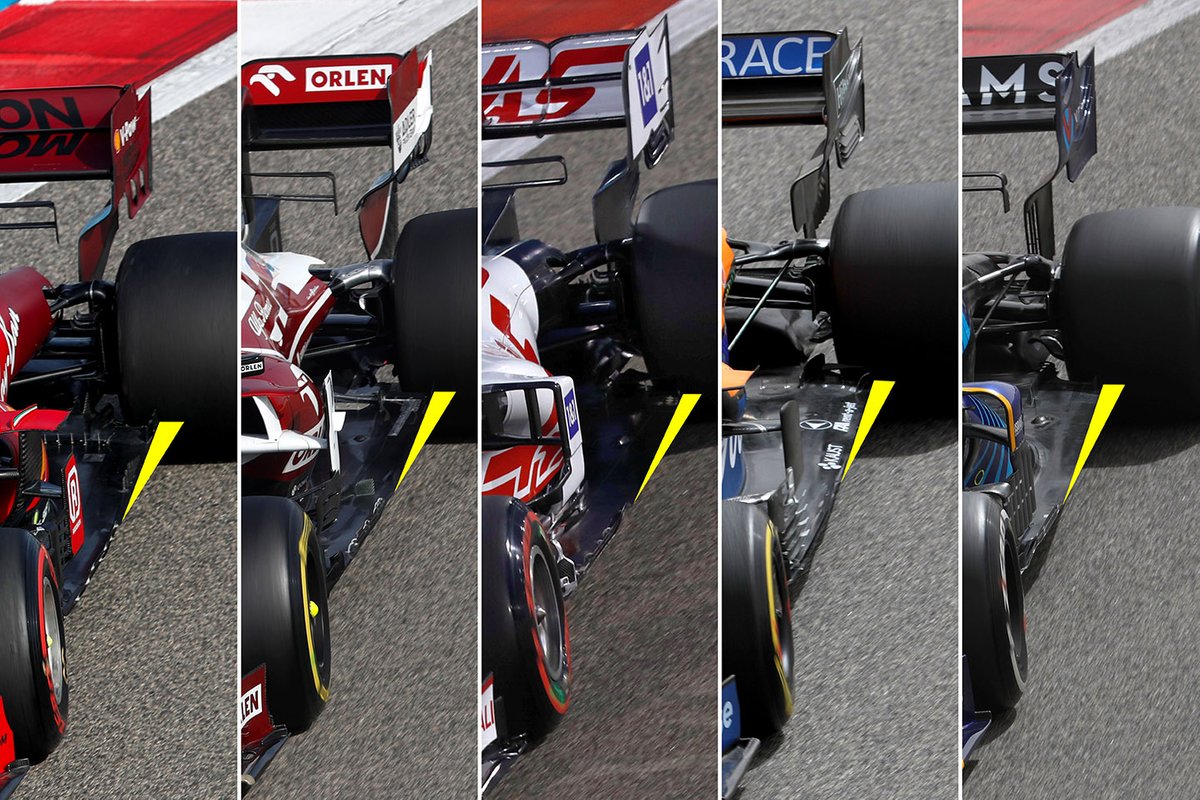

The new 2022 car originally slated to be introduced in 2021, comes into action this season after pushback due to the global pandemic. Intended to focus on solving the problems related to dirty air and following closely during racing, the new cars are radically different from a first glance.
The latest regulations also take a different approach to regulating the cars from the teams, with the FIA now incorporating use of CAD and virtual 3D surfaces to restrict the dimensions and specifications. Using Reference surfaces i.e. 2D surfaces to set a minimum allowance on the part size and Reference volumes i.e. 3D surfaces to set a maximum limit. This article will however try to avoid using highly technical terms for ease of understanding. If you are interested in exploring it in even more technical/depth, here are the relevant regulations.
An aerodynamic shift:

Diffusers in the cars of the last generation(2017-21) worked by expanding airflow in a horizontal direction, however the diffuser exit is narrow as compared to the last generation at a width of 750mm (previously 1050mm). With the increased importance of suction effect from the venturi tunnels now in place (Aerodynamic components to create a pressure difference to force the car to the ground), the ‘sealing’ of the floor will remain essential to ensure that their function is maximized.
Let’s start from the front of the car!
The bib
Also referred to as the tea tray, serves the purpose of ensuring that the incoming airflow is channeled correctly. Also has its place in front impact structures to a degree.

Tunnel inlets
Gone are the complex bargeboards and other aerodynamic furniture from last generation, they played a major role in the performance but were also big contributors to the problems of dirty air the new cars aim to resolve.
Now there are vortex generators at the start of the underbody tunnels, with 4 elements being permitted on each side. Referred to as ‘Elements’ as multi-fence setups can be used however they need to adhere to the maximum number allowed on each side. These fences have to be more than 10mm away from each other at any point. The fences can be set at a maximum angle of 50° from the centerline of the car, restricting the amount of outwash/aerodynamic wake they can create. The end fence for these tunnel inlets will have to be upto only 40° from the car centerline, further reducing the outwash generated. The bargeboards used to create outwash almost perpendicular to the car.
Floor edges
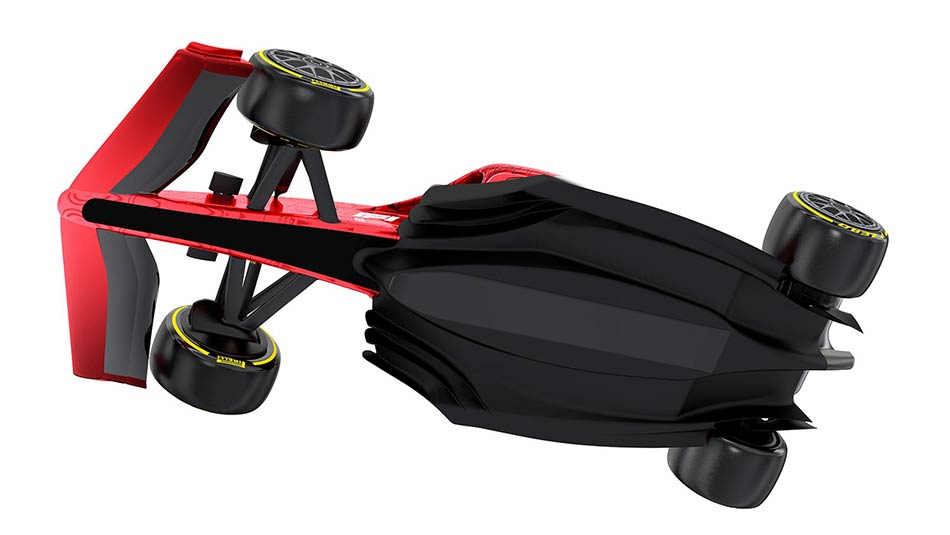
While we saw the significant contribution of the floor structures to the performance of the car when they were removed in the 2021 season, they serve the previously mentioned function of ‘sealing’ the floor/underbody. In simple terms, they prevent air from entering the underbody and disturbing the flow being created there. Having turbulence in this region can lead to inconsistent performance from the diffuser

In the latest cars, this area(highlighted in orange below) will be allowed to have offsets i.e. aerodynamic structures to mimic their predecessors(slots and veins). With allowances from 5 to 20mm in dimensions. This edge has also be supported with upto 6 brackets which have more tightly written regulations regarding their shape and function.
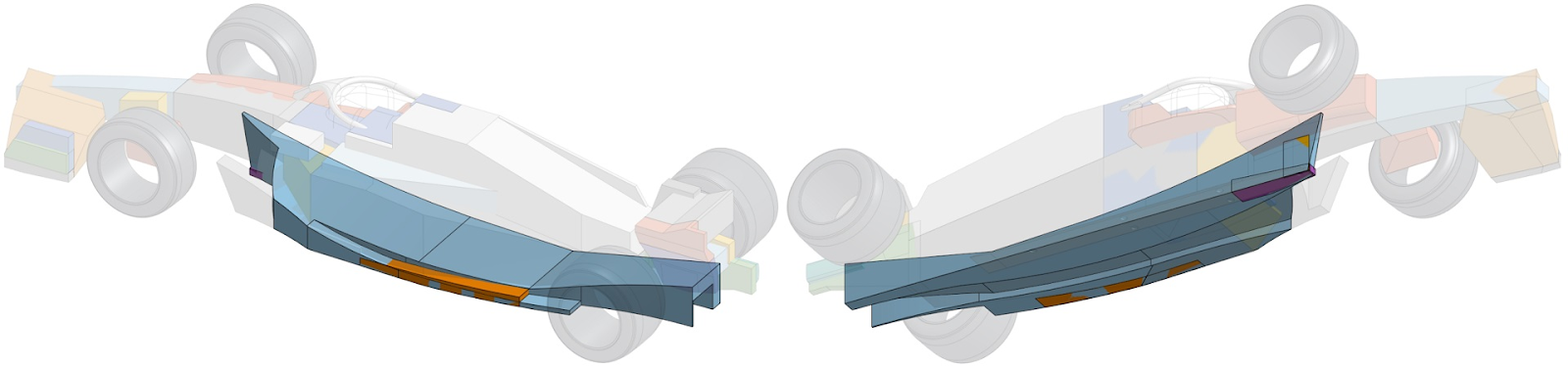
For further illustrations this thread on twitter is worth a go,
Hope you got a better idea of how the floors of the new cars will look and work!
Thank You for reading!
Find me at @devaslooper on Twitter
and
our team at https://linktr.ee/Thefastestsector
About The Author


Leave a Reply