
Formula E is entering its next major chapter. The ABB FIA Formula E World Championship has revealed its 2026/27 calendar, bringing the championship’s biggest season yet with 21 races across 13 cities and a major shift as the all-electric series prepares for the arrival of the revolutionary GEN4 car.
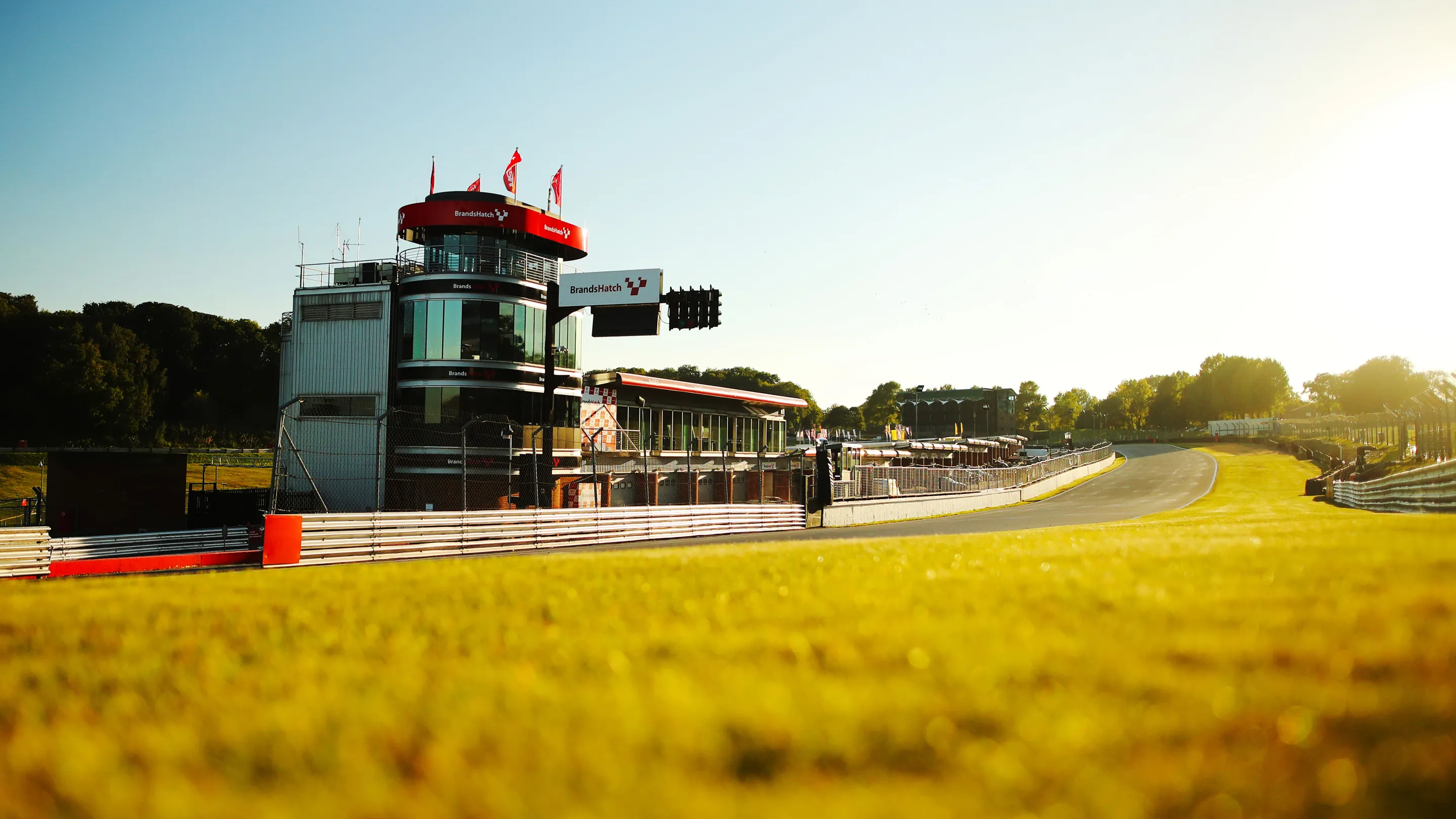
The new season will feature three brand-new venues, a completely redesigned double-header race format, and Formula E’s most powerful machine to date. The biggest changes include the arrival of the Circuit of The Americas in Austin, the return of top-level single-seater racing to Brands Hatch for the London E-Prix, and Formula E’s first visit to the iconic Zandvoort circuit in the Netherlands. The GEN4 era is officially here.
A new era begins under the lights in Jeddah
The 2026/27 season will begin in spectacular fashion, with Formula E opening the championship under the floodlights at the Jeddah Corniche Circuit on 18 and 19 December 2026. The Saudi Arabian double-header will mark the first time since the 2021/22 season that the country has hosted Formula E’s opening round, providing the perfect stage for the debut of the new GEN4 machines.
The championship will then head into a packed early-season run across the Americas. Mexico City remains one of Formula E’s biggest events, returning to the Autódromo Hermanos Rodríguez on 16 January 2027 before the series makes its long-awaited debut at Circuit of The Americas.
Austin’s COTA race will bring Formula E onto one of motorsport’s most recognisable modern circuits, before the championship heads to Miami just two weeks later. The American double-header era continues with Formula E visiting the Miami International Autodrome on 20 February 2027, followed by the São Paulo E-Prix at the Anhembi Sambadrome Circuit in March.

Formula E moves toward a faster future
The arrival of GEN4 represents the biggest technical step in Formula E history. The new car will produce up to 600kW of power, more than 815 horsepower, while introducing permanent active all-wheel drive, active differential technology, advanced regeneration systems and dual aerodynamic configurations.
It will be the fastest and most technically advanced Formula E car ever built. But GEN4 is not only about speed. The new generation has been designed around sustainability, using recyclable and reusable materials while pushing electric vehicle technology closer to road-car development.
With more power and higher performance comes a new challenge: Formula E needs circuits capable of handling the next generation of electric racing. That has led to a greater focus on established permanent venues, while still protecting the championship’s identity as a street racing series.
Brands Hatch brings Formula E back to British motorsport heritage
One of the biggest surprises on the calendar is the move of the London E-Prix from ExCeL London to Brands Hatch. The legendary Kent circuit will host Formula E for the first time, replacing the indoor/outdoor London layout that has been part of the championship since 2021.
Brands Hatch has a reputation unlike almost any other circuit. Its flowing corners, elevation changes and unforgiving nature have created some of motorsport’s most memorable moments, and the arrival of GEN4 cars should create a completely different challenge for drivers. The move also marks an important moment for British motorsport, with Brands Hatch entering its second century by welcoming global single-seater racing back to the circuit.

Zandvoort joins the Formula E calendar
Formula E will also make its debut at Zandvoort in 2027. The Dutch circuit, famous for its high-speed corners, banking and passionate fans, becomes another permanent venue designed to showcase the performance of GEN4. Together with COTA and Brands Hatch, Zandvoort gives the championship a fresh identity for its new era.

A new race format for GEN4
The 2026/27 season will also introduce a completely new approach to double-header weekends. Instead of two identical races and a dynamic qualifying, fans will see two different styles of competition:
Qualifying becomes more important than ever
The battle for the championship will now begin before the race even starts. For the GEN4 era, Formula E is adding even more importance to qualifying, with drivers who reach the Duels stages now able to score championship points. The Duels format remains, with drivers first setting their fastest laps before the quickest competitors progress into the knockout stages. From there, it becomes a straight fight:
- Quarter-finals
- Semi-finals
- Final
The further a driver progresses, the more points they collect. The new qualifying points system will award:
- Pole position — 4 points
- Second — 3 points
- Third — 2 points
- Fourth — 2 points
- Fifth to eighth — 1 point
That means a driver starting from pole position will not only have the advantage at the first corner, but will also take an extra four championship points into the weekend. With title fights often decided by the smallest margins, qualifying could now play a much bigger role in deciding who becomes the next Formula E World Champion.
E-PrixUnleashed
A shorter 30-minute sprint race designed to showcase the raw speed of GEN4.
- High-downforce setup
- Six-minute ATTACK MODE
- No mandatory PIT BOOST stop
This format is built around aggression, overtaking and maximum performance.
E-Prix
The traditional Formula E race remains the main event.
- 45-minute race
- Low-downforce setup
- Eight-minute ATTACK MODE
- Mandatory PIT BOOST stop
This race will focus more on strategy, energy management and efficiency. Both races will award full championship points.
Europe takes centre stage
After the Asian round in Sanya, Formula E enters its busiest European stretch yet. Berlin and Monaco will form a back-to-back double-header combination before the championship heads to Brands Hatch. The European schedule continues with Zandvoort and Madrid before the season moves toward its final Asian rounds. Shanghai will host the penultimate weekend, while Tokyo will stage the season finale on 24 and 25 July 2027.
The GEN4 grid gets a new challenger
The new era will also welcome Opel to the Formula E grid. The German manufacturer joins an impressive lineup including Jaguar, Nissan, Citroën, Lola Cars, Mahindra and Porsche, all using Formula E as a testing ground for future electric performance technology.

The biggest Formula E season yet
With 21 races, 13 cities and the arrival of GEN4, the 2026/27 season represents Formula E’s most ambitious step forward. The championship is moving faster, racing on bigger stages, and bringing electric motorsport into a new generation. The future of Formula E is no longer approaching. It has arrived.
Feature Image Credit: Formula E
About The Author


Leave a Reply