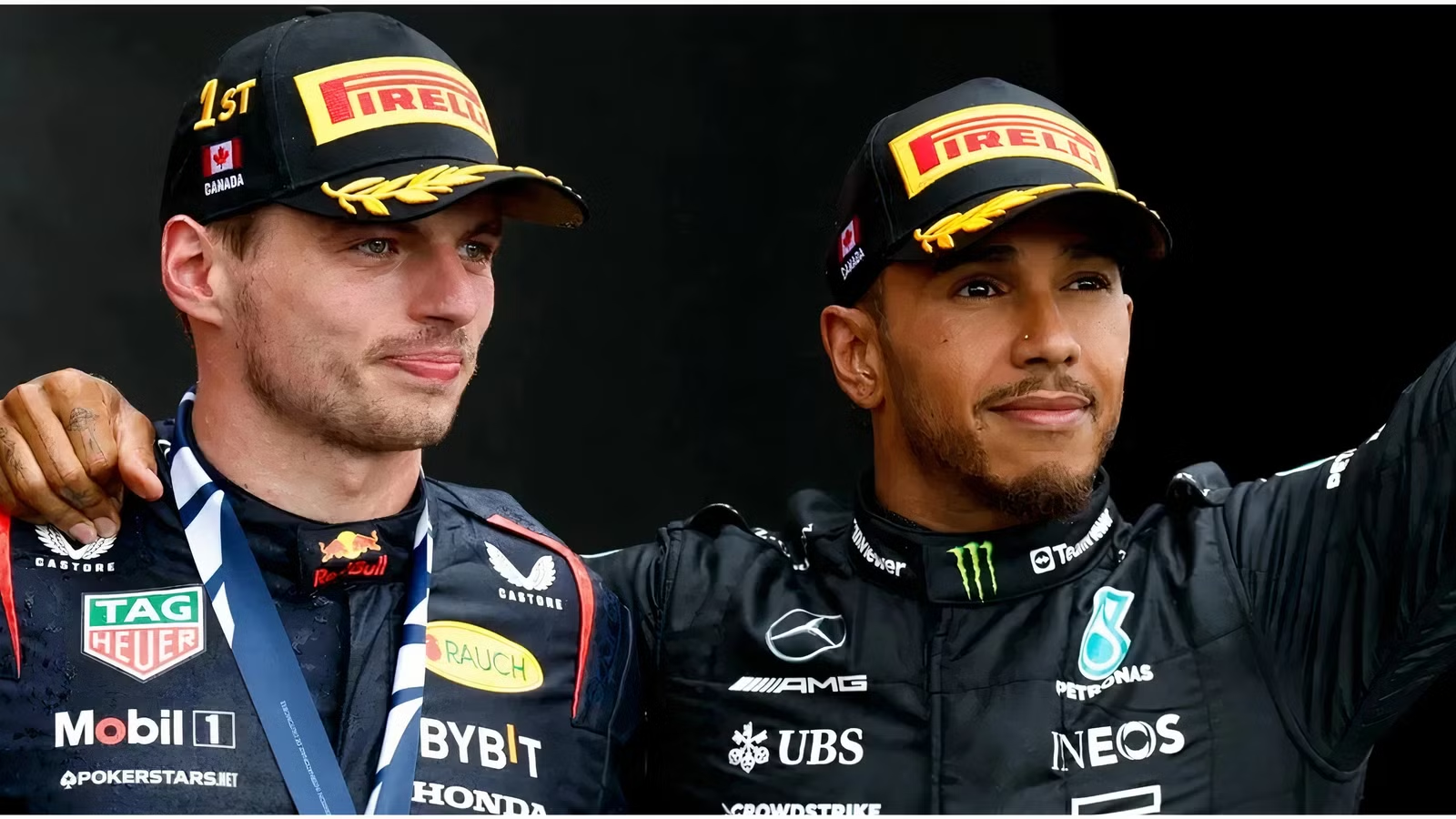

As the first part of 2026 Formula 1 pre-season testing wraps up in Bahrain, the sport’s most notable figures offered more than just lap times; they also delivered a sobering reality check.
Lewis Hamilton, seven-time world champion, and Max Verstappen, four-time world champion, have openly questioned F1’s technical makeover. What they stated is crucial.
Hamilton: Beyond Performance, A Cultural Critique.
Hamilton’s initial appraisal was stark and perplexing. The seven-time world champion criticised his new Ferrari SF‑26 for being “slower than GP2” and the “ridiculously complex” regulations. This is about the sports’ essence.
Hamilton sees it as more than simply technical feedback; it’s a cultural alarm bell. The emphasis on energy algorithms, adaptive systems, and software-led powertrain management may confuse fans and dilute the tactile core of driving.
After two decades of thriving on precision, performance, and a pure connection with his car, Hamilton’s critique serves as a warning: if F1 continues on this path, casual spectators and even long-time fans may feel increasingly alienated.

Verstappen: Fun versus Function
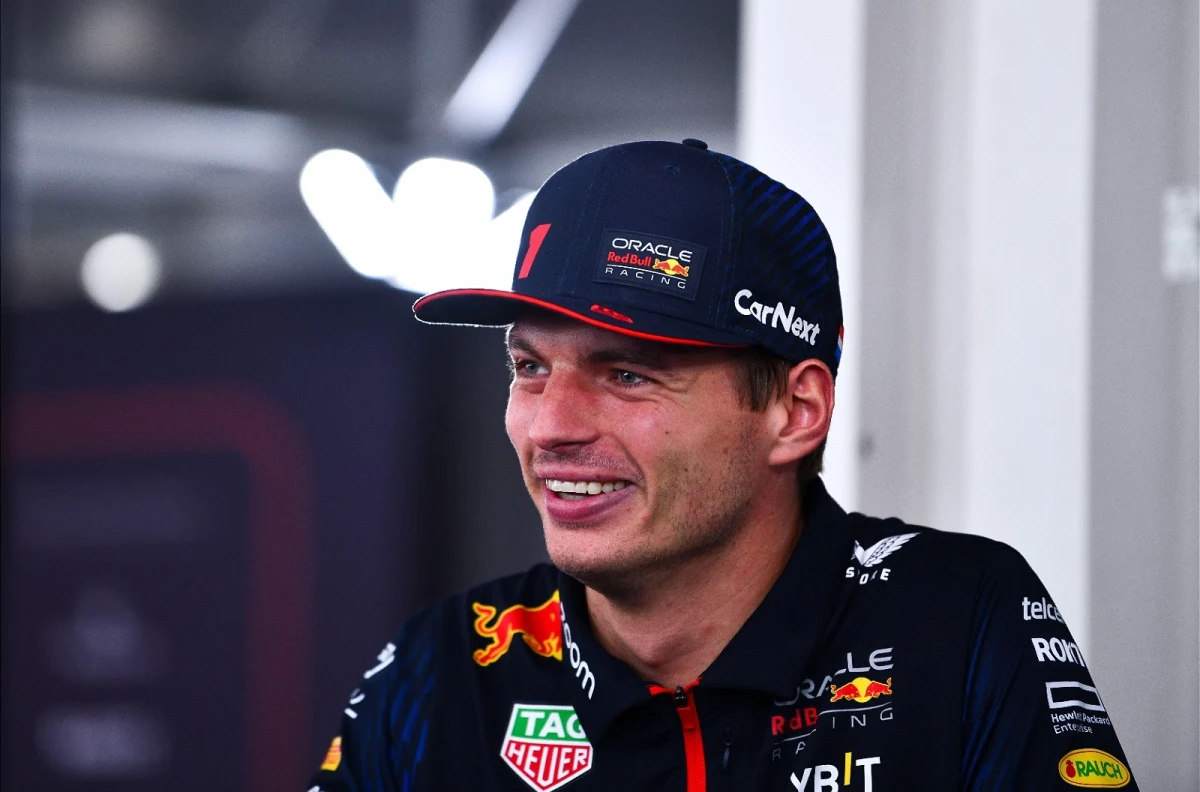
Meanwhile, Verstappen delivered his own blunt verdict. The 2026 cars are just “no fun to drive“. The four-time world champion even compared the machines to “Formula E on steroids,” highlighting how energy management has surpassed pure speed and rhythm. This is more than just frustration; it’s a philosophical problem.
When the former world champion wonders if the driving experience still feels like Formula One, the sport faces a reputational crisis. Fans tune in for bravery, talent, and the thrill of speed, not spreadsheets and algorithms.
What Is Actually Being Said?
On the surface, both drivers criticise the same thing. The 2026 technical standards and new power unit philosophy have switched the emphasis from flat-out racing to continuous energy computation and management.
- Hamilton is concerned with fan engagement and racing purity, believing that Formula One should be a thrilling experience rather than a software puzzle.
- Verstappen’s critique focuses on competitive delight. What remains after open-throttle racing is strategy bookkeeping.
The result is a growing impression that F1’s new age, although inventive and sustainable, may have unintentionally sidelined what makes the sport so popular.
Why This Matters to Fans and the Future?!
A testing session appears to be nothing more than an opportunity to shake down parts, fine-tune balance, and collect data. However, when two of the sport’s biggest stars publicly challenge F1’s feel and philosophy, the consequences extend well beyond Bahrain.
Debates about hybrids, electrification, and sustainability are vital, but the actual issue for both drivers is deeper.
Formula One inspires visceral unease and respect due to its skill, courage, and unpredictable nature. Both Hamilton and Verstappen believe part of it has been lost. Their comments are not simply complaints; they are a wake-up call.
A Cautionary Tale for F1 Leadership
Neither driver has prominently rejected the adjustments; they are elite professionals who must adapt. However, the tone and timing of their statements are telling. Hamilton and Verstappen are igniting a conversation that extends beyond Bahrain’s sandy straights.
F1 is more than just winning races; it is a sport in which human skill is valued, where drivers push the boundaries rather than babysit batteries and technology. If legendary drivers believe the balance has shifted too far away from pure racing, the rest of the paddock and fans should take note.
Final Thoughts: A Tipping Point or Just Uncertainty?
This is not about nostalgia or aversion to change. Two of the sport’s most renowned figures are questioning Formula One’s very identity.
Whether the FIA and F1 leadership listen or doubles down will determine the sport’s future.
One thing is certain: the 2026 season will be remembered not for who won races, but for how the sport listens to its athletes.
Featured Image Credit: Planet F1
About The Author

Leave a Reply